
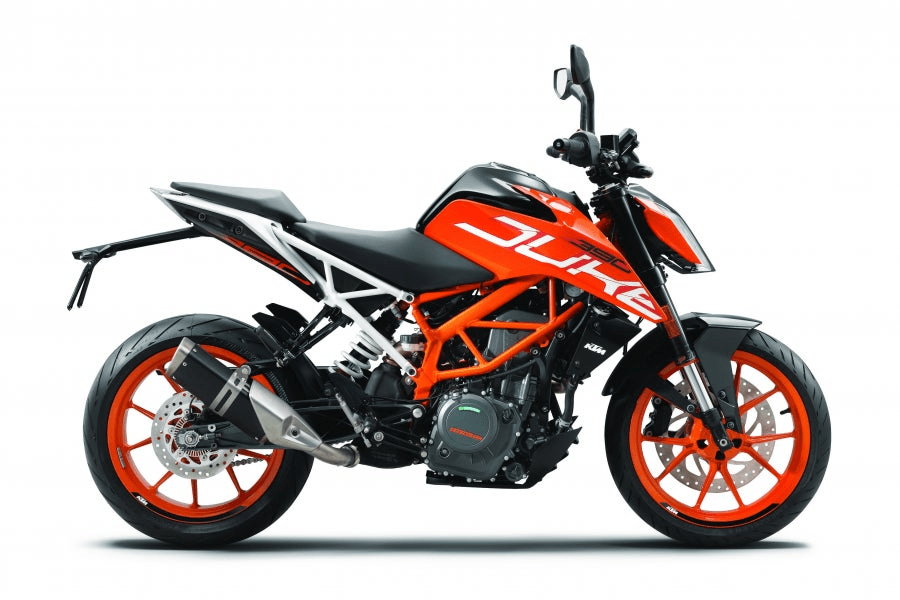
Embarking on your first long-distance motorcycle trip is an exhilarating experience, offering the freedom of the open road and the thrill of adventure. However, proper preparation is essential to ensure your journey is safe, enjoyable, and free from unexpected hassles. In this article, we’ll provide you with a comprehensive guide on how to prepare for your first long-distance motorcycle trip, covering everything from bike maintenance to packing essentials.
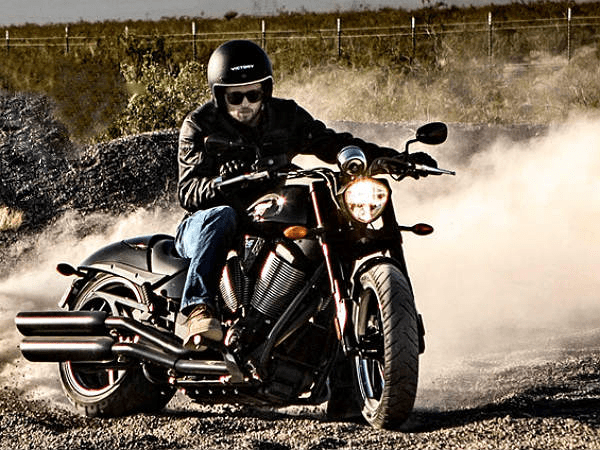
- Perform a Thorough Bike Check
Before you set off on your long-distance motorcycle trip, it’s crucial to ensure that your bike is in top condition. A breakdown in the middle of nowhere can be both dangerous and inconvenient.
Key Areas to Inspect:
- Tires: Check for adequate tread depth and ensure they are properly inflated. Look for any signs of wear or damage that could lead to a puncture.
- Brakes: Inspect brake pads for wear and ensure that the brake fluid is at the correct level.
- Fluids: Check the oil, coolant, and brake fluid levels, and top them up if necessary. If your bike is due for an oil change, do it before the trip.
- Lights: Ensure all lights, including headlights, tail lights, and turn signals, are working properly.
- Chain and Sprockets: Check the condition of the chain and sprockets, and lubricate the chain before departure.
Why It’s Important:
Regular maintenance is vital to avoid mechanical issues on the road. A well-maintained bike not only performs better but also ensures your safety during the trip.
- Plan Your Route and Stops
Planning your route is a key part of preparing for a long-distance motorcycle trip. While spontaneous adventures can be fun, having a clear plan helps avoid getting lost and ensures you have access to fuel, food, and accommodations.
Route Planning Tips:
- Use GPS or Maps: Use a reliable GPS or map app to plan your route, and consider downloading offline maps in case you lose signal.
- Plan Regular Stops: Schedule stops every 100-150 miles to rest, refuel, and stretch. This helps prevent fatigue and keeps you alert.
- Research Accommodations: If your trip spans multiple days, book accommodations in advance or identify potential camping spots.
Why It’s Important:
A well-planned route helps you avoid unnecessary detours and ensures you’re never too far from essential services like gas stations and rest stops.
- Pack Smart and Light
Packing for a motorcycle trip requires careful consideration, as space is limited and you’ll need to balance comfort with practicality. Overpacking can make your bike harder to handle, so focus on the essentials.
Packing Essentials:
- Riding Gear: Pack weather-appropriate riding gear, including a helmet, gloves, jacket, pants, and boots. Don’t forget rain gear and layers for varying temperatures.
- Tools and Spares: Carry a basic tool kit, spare fuses, a tire repair kit, and a portable air pump.
- Personal Items: Bring your ID, insurance papers, emergency contact information, and any necessary medications.
- Camping Gear: If you plan to camp, pack a lightweight tent, sleeping bag, and cooking equipment.
Packing Tips:
- Use Saddlebags or a Top Case: Invest in quality saddlebags or a top case to store your belongings securely.
- Distribute Weight Evenly: Balance the load to avoid affecting your bike’s handling.
- Minimize Non-Essentials: Only pack what you need and avoid unnecessary items.
Why It’s Important:
Packing smart ensures you have everything you need without overloading your bike, which can impact safety and comfort.
- Stay Hydrated and Energized
Long-distance riding can be physically demanding, so it’s essential to stay hydrated and maintain your energy levels throughout the trip.
Hydration and Nutrition Tips:
- Drink Water Regularly: Carry a hydration pack or water bottles and take regular sips, especially in hot weather.
- Pack Healthy Snacks: Bring along energy bars, nuts, and fruit to keep your energy levels up without having to stop for meals too often.
- Avoid Heavy Meals: Stick to light, easy-to-digest meals to prevent fatigue and sluggishness.
Why It’s Important:
Staying hydrated and well-nourished helps you maintain focus and endurance, reducing the risk of accidents due to fatigue.
- Prepare for the Unexpected
No matter how well you plan, unexpected situations can arise. Being prepared can make all the difference in how you handle them.
Emergency Preparedness:
- Roadside Assistance: Consider enrolling in a roadside assistance program that covers motorcycles.
- First-Aid Kit: Pack a small first-aid kit with bandages, antiseptic wipes, pain relievers, and other essentials.
- Weather-Appropriate Gear: Be prepared for sudden weather changes by packing rain gear and extra layers.
Why It’s Important:
Being prepared for emergencies ensures you can handle unexpected challenges with confidence, keeping your trip on track.
Conclusion
Preparing for your first long-distance motorcycle trip requires careful planning and attention to detail. By performing a thorough bike check, planning your route, packing smart, staying hydrated, and preparing for the unexpected, you’ll be well-equipped to enjoy a safe and memorable journey. Remember, the key to a successful trip is not just the destination, but also the experience of the ride itself.
