
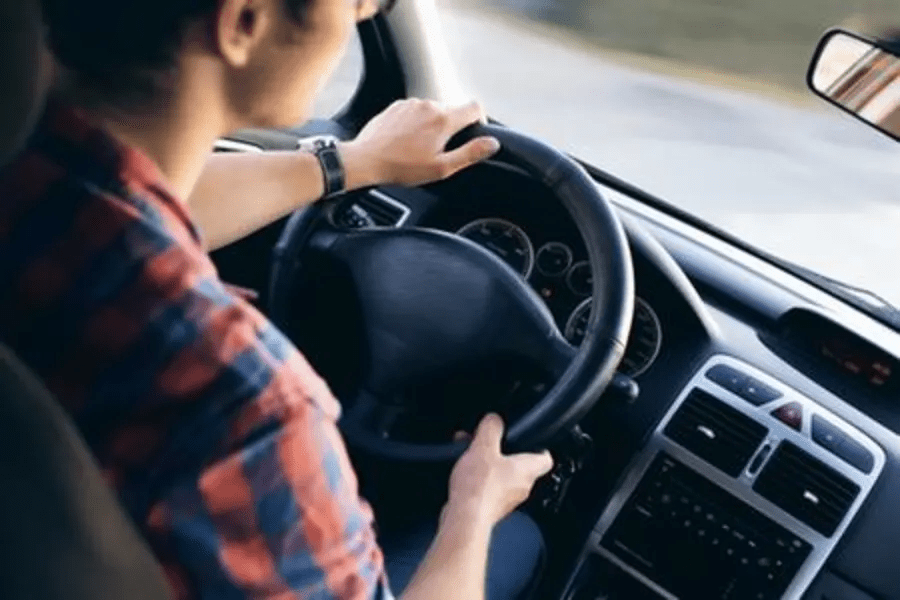
Defensive driving is a critical skill that every driver should master. Unlike aggressive driving, which can lead to accidents, defensive driving emphasizes safety, awareness, and caution on the road. By adopting defensive driving techniques, you can significantly reduce the risk of accidents, protect yourself and others, and contribute to a safer driving environment. In this article, we’ll explore the importance of defensive driving and share essential techniques to help you avoid accidents.

What is Defensive Driving?
Defensive driving is a proactive approach to driving that involves anticipating potential hazards, staying aware of your surroundings, and making informed decisions to avoid dangerous situations. It’s about being prepared for the unexpected and taking steps to prevent accidents before they happen.
Why Defensive Driving Matters
Defensive driving is not just about following traffic laws; it’s about going above and beyond to ensure safety on the road. This approach to driving is essential because:
- Reduces Accident Risk: Defensive drivers are less likely to be involved in accidents because they anticipate and react to potential dangers.
- Saves Lives: By avoiding accidents, defensive driving helps protect the lives of drivers, passengers, and pedestrians.
- Minimizes Costs: Avoiding accidents also means avoiding the financial burden of repairs, medical bills, and increased insurance premiums.
Essential Defensive Driving Techniques
To become a defensive driver, it’s important to adopt specific techniques that enhance your ability to navigate the roads safely. Here are some of the most effective defensive driving techniques:
- Maintain a Safe Following Distance
One of the key principles of defensive driving is maintaining a safe following distance from the vehicle in front of you. This gives you ample time to react if the vehicle suddenly stops or slows down.
How to Implement:
- Use the Three-Second Rule: Choose a fixed point on the road, and when the vehicle ahead passes it, start counting. If you pass the same point before you reach three seconds, you’re too close.
- Increase Distance in Poor Conditions: In bad weather, at night, or on slick roads, increase the following distance to at least five seconds.
- Stay Alert and Avoid Distractions
Defensive driving requires your full attention. Avoiding distractions and staying focused on the road is crucial to spotting potential hazards in time to react.
Common Distractions to Avoid:
- Using Your Phone: Texting or talking on the phone diverts your attention from driving.
- Eating or Drinking: Eating while driving can lead to spills and loss of control.
- Adjusting Controls: Set your GPS, radio, and climate controls before you start driving.
- Anticipate Other Drivers’ Actions
Defensive drivers are always aware of what other drivers are doing and anticipate their actions. This allows you to react to potential dangers before they escalate.
Tips for Anticipating Actions:
- Watch for Signals: Pay attention to turn signals, brake lights, and lane changes.
- Look Ahead: Scan the road ahead for potential hazards, such as stopped vehicles, roadwork, or pedestrians.
- Be Aware of Blind Spots: Check your blind spots before changing lanes or merging, and be mindful of other drivers’ blind spots as well.
- Adapt to Road Conditions
Road conditions can change rapidly due to weather, traffic, or construction. Adapting your driving to these conditions is a key defensive driving technique.
Adapting to Conditions:
- Slow Down in Bad Weather: Reduce your speed when driving in rain, snow, or fog to maintain control.
- Increase Following Distance: Give yourself more room to stop on wet or icy roads.
- Be Cautious at Night: Use your headlights properly, reduce speed, and watch for wildlife or pedestrians.
- Use Your Mirrors Effectively
Constantly using your mirrors allows you to keep track of what’s happening around your vehicle. Defensive drivers check their mirrors frequently to stay aware of their surroundings.
Mirror Use Tips:
- Check Mirrors Regularly: Make it a habit to check your rearview and side mirrors every few seconds.
- Look Over Your Shoulder: Before changing lanes, look over your shoulder to ensure there’s no vehicle in your blind spot.
- Stay Calm and Avoid Road Rage
Emotions can easily escalate on the road, leading to aggressive driving and accidents. Defensive drivers maintain a calm demeanor and avoid engaging in road rage.
How to Stay Calm:
- Don’t Engage: If another driver is aggressive, don’t retaliate. Instead, keep your distance and focus on your own safety.
- Plan Ahead: Leave early to avoid the stress of rushing and to give yourself time to deal with traffic.
Conclusion
Defensive driving is an essential practice that can significantly reduce the risk of accidents and improve overall road safety. By maintaining a safe following distance, staying alert, anticipating other drivers’ actions, adapting to road conditions, using mirrors effectively, and staying calm, you can become a more confident and responsible driver. Remember, the goal of defensive driving is not just to protect yourself but also to contribute to a safer driving environment for everyone.
