

With the rise of van life culture, more people are embracing the freedom and adventure of traveling in a converted camper van. Turning a van into a cozy, functional living space is a rewarding project that allows you to explore the world on your own terms. Whether you’re planning weekend getaways or long-term adventures, this step-by-step guide will help you convert a van into a cozy camper that meets your needs.
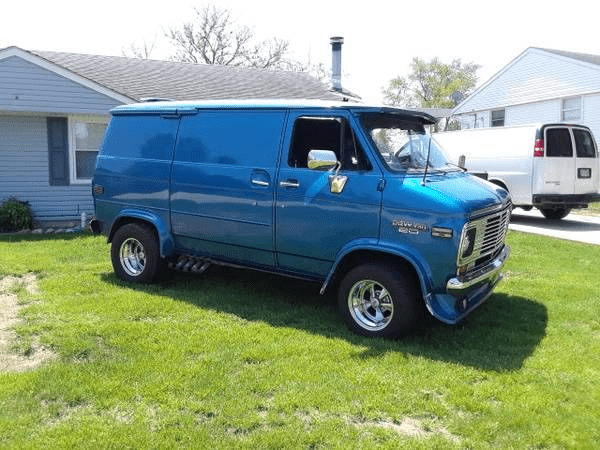
Step 1: Choose the Right Van
The first step in converting a van into a camper is choosing the right vehicle. Consider factors such as size, reliability, fuel efficiency, and your budget. Popular models for conversion include the Mercedes Sprinter, Ford Transit, and Ram ProMaster. Each of these vans offers ample space for customization and is known for its durability.
Key Considerations:
- Size: Ensure the van is large enough to accommodate your living essentials but not so large that it becomes difficult to drive and park.
- Fuel Efficiency: A fuel-efficient van will save you money on long trips.
- Condition: Look for a van in good condition to avoid costly repairs down the line.
Step 2: Plan Your Layout
Before you start the conversion process, plan your van’s layout. Consider how you will use the space and what amenities are most important to you. Common elements in a camper van layout include:
- Sleeping Area: Decide whether you want a fixed bed or a convertible sleeping area (such as a fold-out bed or sofa bed).
- Kitchen: Plan for a small kitchenette with a sink, stove, and storage for food and cooking supplies.
- Storage: Think about where you will store clothes, equipment, and other essentials.
- Seating: Consider including a seating area that can double as a dining space or workspace.
- Bathroom: If space allows, you might want to include a portable toilet or even a compact shower.
Design Tips:
- Maximize Space: Use every inch of space wisely by incorporating multifunctional furniture and vertical storage.
- Prioritize Ventilation: Ensure your layout allows for proper ventilation to keep the space comfortable and reduce moisture buildup.
Step 3: Insulate the Van
Insulating your van is crucial for maintaining a comfortable temperature inside, whether you’re in hot or cold climates. Proper insulation also helps with soundproofing, making your van quieter on the road.
Materials for Insulation:
- Foam Board Insulation: Lightweight and easy to install, foam board is a popular choice for van insulation.
- Reflective Insulation: Reflective materials like Reflectix can help deflect heat and keep your van cooler.
- Spray Foam Insulation: For hard-to-reach areas, spray foam provides a custom fit and excellent insulation properties.
Installation Steps:
- Clean and prep the van’s interior surfaces.
- Cut the insulation materials to fit the walls, ceiling, and floor.
- Secure the insulation using adhesive or spray foam.
- Seal gaps and edges with tape or additional insulation material.
Step 4: Install Electrical and Plumbing Systems
If you plan to include electricity and running water in your camper van, now is the time to install these systems. This step requires careful planning and, in some cases, professional assistance.
Electrical System:
- Batteries: Choose deep-cycle batteries that can power your devices for extended periods.
- Solar Panels: Consider adding solar panels to your van’s roof for sustainable energy.
- Inverter: Install an inverter to convert battery power into usable AC electricity for your appliances.
- Wiring: Plan and install wiring for lights, outlets, and other electrical components.
Plumbing System:
- Water Tanks: Install fresh and gray water tanks for your sink and shower.
- Pump: A water pump will help move water from the tanks to your sink or shower.
- Drainage: Ensure proper drainage for your sink and any other water features.
Step 5: Build the Interior
With your layout planned and systems installed, it’s time to build out the interior of your van. This is where your van starts to feel like home.
Building Essentials:
- Flooring: Install durable, easy-to-clean flooring, such as vinyl or laminate.
- Walls and Ceiling: Cover the walls and ceiling with paneling, fabric, or other materials that fit your aesthetic.
- Furniture: Build or install your bed, kitchen units, seating, and storage solutions.
- Lighting: Add overhead and ambient lighting to create a cozy atmosphere.
Personalization:
- Decor: Add personal touches like curtains, cushions, and wall art to make the space your own.
- Comfort: Invest in a quality mattress, bedding, and seating to ensure a comfortable living environment.
Step 6: Test and Fine-Tune
Before hitting the road, test all of your systems to ensure they work as expected. Check for any leaks, electrical issues, or other problems. Fine-tune your setup to optimize comfort and functionality.
Final Checks:
- Safety: Ensure all safety features, such as smoke detectors and carbon monoxide detectors, are installed and functioning.
- Comfort: Test your bed, seating, and ventilation to ensure they meet your needs.
- Functionality: Make sure all appliances, plumbing, and electrical systems are working properly.
Conclusion
Converting a van into a cozy camper is a rewarding project that allows you to create a personalized space for adventure. By following this step-by-step guide, you’ll be well on your way to transforming an empty van into a comfortable, functional home on wheels. With careful planning and attention to detail, your camper van will be ready to take you on countless journeys, whether you’re exploring remote wilderness or embarking on a cross-country road trip.
