
Taillights are crucial for vehicle safety because they make sure that other drivers can see your car clearly at night or in limited visibility. However, the process for fixing a car’s taillights might vary significantly depending on the type of vehicle. Sedans and pickup trucks have different designs, parts, and usage patterns despite their numerous similarities, which has an impact on how taillight repairs are performed. For expert taillight repairs on your pickup truck or sedan, consider Auto Repair in New Castle, PA for reliable and efficient service.
Design and Size Differences
The size and design differences between sedans and pickup trucks are a major factor in the variations in taillight maintenance. Compared to sedans, pickup trucks frequently have bigger, stronger taillight assemblies. Because pickup trucks may have to endure harder conditions, including high loads or frequent towing, their taillight housings are made to be more durable in terms of size and shape.
Different Housing and Mounting Structures
Sedans and pickup trucks have different taillight mounting systems and housings. Depending on the size of the bed and the general appearance of the vehicle, pickup trucks frequently have taillights positioned higher or farther apart. This may make it more difficult to reach the taillight assembly, particularly on models with longer beds or extra equipment like towing packages.
Wiring and Electrical Differences
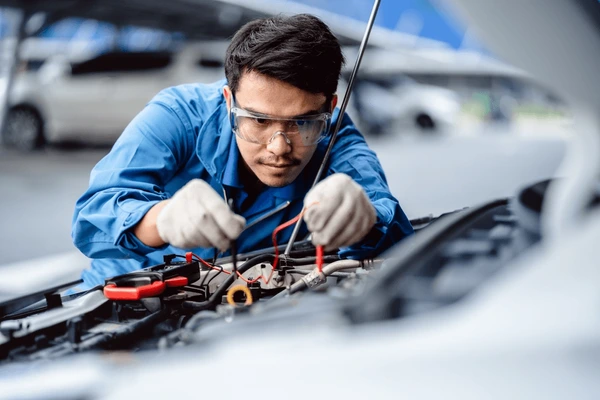
Additionally, the electrical systems of pickup trucks and sedans may differ, particularly in terms of towing capacity. The wiring of the taillights on pickup trucks is more complicated since these vehicles are more likely to have extra electrical connections for trailer lights. This intricacy may result in problems that sedans do not have, such as short circuits or broken lighting. Mechanics frequently have to check the wiring for the truck’s lights as well as any additional trailer light connections when fixing or replacing pickup vehicle taillights.
Regularity of Damage
Sedans and pickup trucks also differ in the type and frequency of taillight damage. Pickup vehicles are more frequently utilized for heavy-duty tasks including off-road driving, towing trailers, and moving big objects, all of which raise the possibility of taillight damage. When loading cargo or backing into obstacles, pickup trucks’ exposed taillights and larger dimensions make vehicles more susceptible to collisions. Sedans, on the other hand, which are more frequently used for city driving or daily commuting, usually sustain less physical damage to their taillights; as a result, repairs are concentrated more on electrical or component failures than on physical impacts.
Conclusion
Because of differences in size, design, mounting methods, electrical systems, and the frequency of damage, taillight repairs for sedans and pickup trucks are different. Due to their larger, more complicated taillight systems and extra wiring for towing, pickup trucks need more complicated repairs, which can be more expensive and time-consuming. Sedans typically require less work to repair because of their smaller and simpler architecture.
