
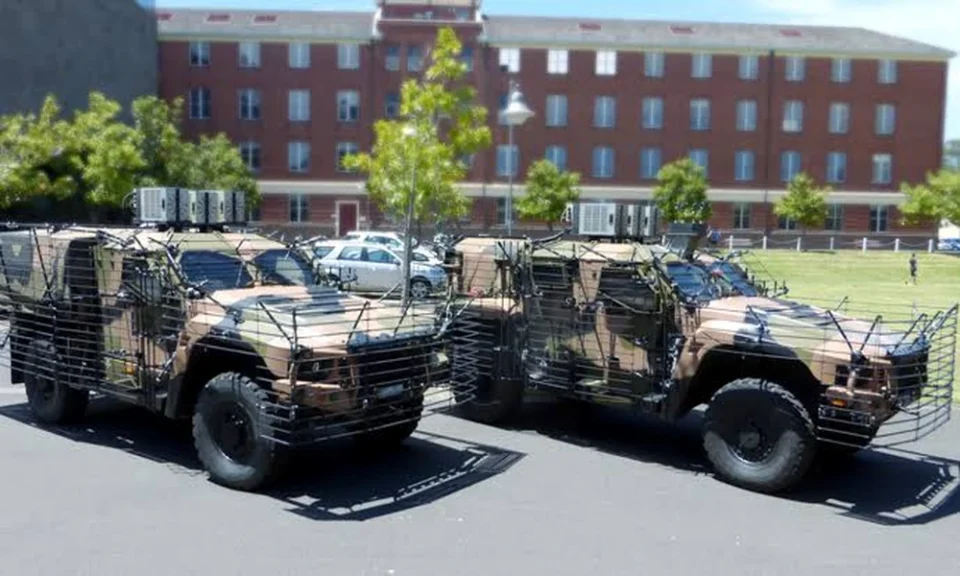
The world rarely feels more unpredictable than when your safety is uncertain. For those with high-risk profiles or precious cargo, the reassurance of knowing you’re surrounded by advanced ballistic protection can be life-changing. But what exactly makes armored vehicles so effective at safeguarding lives? Let’s uncover the evolving science, technology, and real-world value of ballistic protection.
The Evolution of Ballistic Protection in Armored Vehicles
The roots of armored protection date back centuries, but early automotive armoring was rudimentary at best, steel plates bolted onto cars, heavy and unwieldy, that often compromised performance more than they provided safety. The need for more effective solutions became clear as threats evolved.
By the late 20th century, breakthroughs in composite materials and transparent armor marked a turning point. Today, ballistic standards like those set by the National Institute of Justice (NIJ) and the European EN 1063 ensure that armored vehicles are tested against rigorous criteria, providing peace of mind based on real-world threats.
Core Technologies Behind Ballistic Protection
Modern armored vehicles are a marvel of integrated engineering. Protection starts with specialized steel alloys, precision-cut and engineered to absorb and disperse energy from high-velocity rounds. Kevlar and other synthetic fibers add flexibility and help reduce weight without sacrificing strength. In some models, advanced ceramics are layered in areas requiring even higher levels of protection.
Ballistic glass is another vital component. Far from ordinary “bulletproof” glass, this multi-layered transparent armor combines glass and polycarbonate to form a barrier that can stop even armor-piercing rounds while allowing clear visibility. Reinforcement doesn’t end there; critical vehicle elements like door frames, roofs, and floors are structurally upgraded, turning the entire frame into a defensive cocoon.
Case Study: Troy Armoring’s Approach to Safety and Sophistication
Troy Armoring represents the intersection of science and craftsmanship. Their approach begins with a meticulous inspection of the vehicle’s chassis, ensuring a perfect foundation. The armoring process blends luxury and security, resulting in discreetly protected SUVs and sedans that retain their comfort and elegance.
For each project, their manufacturing process is tailored, integrating ballistic protection without compromising appearance or functionality. The result? Vehicles that offer both style and substance, trusted for VIP transport, secure government travel, and even daily commutes in sensitive regions. Just as importantly, Troy Armoring’s commitment doesn’t end after delivery. Their availability of armored spare parts and responsive post-sale service ensures continuous protection and peace of mind.
How Ballistic Protection Enhances Personal Safety
The primary purpose of armored vehicles is to shield against gunfire, explosives, and forced entry. But the safety net extends beyond the physical. For passengers and drivers, the knowledge that every detail, down to the reinforced hinges and run-flat tires, has been optimized for survival delivers a psychological benefit that cannot be overstated.
Threats can range from opportunistic attacks to highly coordinated assaults. Armored vehicles are engineered to withstand these, providing escape time and a critical sense of control in crisis situations. At the same time, modern designs are mindful of comfort, ensuring that the reassurance of security does not come at the cost of daily usability or luxury.
The Armoring Process: Step-by-Step Insights
Every armored vehicle’s journey begins with the delivery and rigorous inspection of the base model chassis. Next comes careful preparation, where key areas are stripped and measured for custom materials. Ballistic steel and composite panels are installed, followed by transparent armor in the windows. The assembly stage includes suspension and brake upgrades to handle the additional weight, ensuring safety and handling are never compromised.
Quality control is relentless; each vehicle undergoes exhaustive checks, tests, and verifications before reaching its owner, guaranteeing that promises of protection match on-road performance.
Real-Life Scenarios Demonstrating the Effectiveness of Ballistic Protection
Consider a VIP convoy that suddenly comes under threat on a city street. The ability of an armored SUV to absorb gunfire while swiftly exiting danger can mean the difference between a close call and a tragedy. Cash-in-transit vehicles, designed to move high-value assets, routinely thwart attempted robberies, saving millions and protecting lives.
Even for executives and civilians, the daily peace of mind that comes with a secured ride cannot be underestimated, particularly in regions where instability, protests, or crime rates are on the rise.
Future Trends in Ballistic Protection and Armored Vehicles
Innovation is accelerating. New lightweight armor materials are being developed to reduce vehicle weight and improve fuel efficiency. Smart security systems, including encrypted communications and advanced surveillance, are now integrated as standard in many armored vehicles. The demand for customization is growing, with clients seeking solutions tailored to unique threat profiles and lifestyle needs.
Choosing the Right Armored Vehicle for Your Needs
Selecting an armored vehicle begins with an honest assessment of your threat level. Is the primary risk from small arms fire, explosives, or forced intrusion? SUVs, sedans, and trucks each offer distinct advantages in space, discretion, and mobility.
Partnering with a reputable manufacturer is essential. For those seeking a blend of proven performance and responsive service, resources like Troy Armoring armored cars offer invaluable guidance and options.
Ballistic protection has redefined what personal security means in the modern era. For those unwilling to leave safety to chance, the evolution of armored vehicles is more than a technological marvel, it’s a lifeline.
