
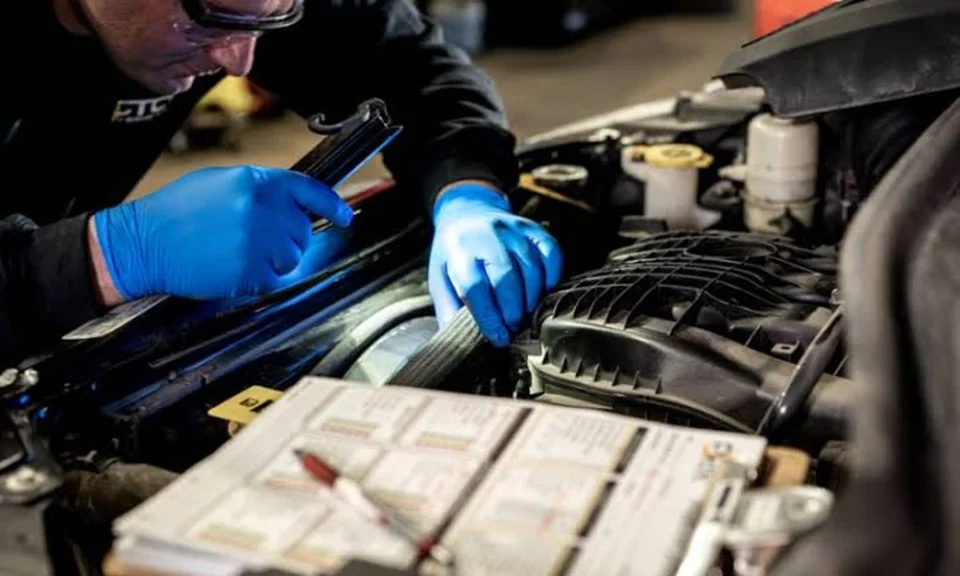
A car radiator keeps engine temperatures within a safe operating range during regular driving. It circulates coolant through passages that absorb heat from the running engine. However, radiator leaks can interrupt this important cooling process without immediate warning. A small leak can slowly reduce coolant levels over time. Professional assistance from Auto Repair in Albany, OR service can identify cooling problems before they become severe.
Common Causes Behind Car Radiator Leaks
Radiators can develop leaks because of age corrosion physical damage and pressure. Internal corrosion gradually weakens metal surfaces within the radiator assembly. Over time weakened areas may develop tiny cracks around important coolant passages. Sometimes damaged radiator fins can also create vulnerable areas near coolant channels. Road debris may strike the radiator and damage its outer structure. Loose connections can also allow coolant to escape from nearby hoses.
The radiator cap may become faulty and allow incorrect pressure levels. Excessive pressure can place additional stress on weakened radiator components. But coolant contamination can accelerate corrosion inside older cooling systems significantly. B & B Auto Repair can help maintain cooling system reliability through professional automotive inspection and repair.
Radiator Leak Repair Options
The appropriate repair depends upon the leak location and overall radiator condition. Small leaks may sometimes be repaired when the radiator remains structurally sound. A technician can inspect seams connections and cooling passages for visible damage. Pressure testing can help reveal leaks that remain difficult to locate. In certain situations, damaged hoses or clamps may require simple replacement. A worn radiator cap can also be replaced without changing the radiator.
Professional technicians should also inspect connected cooling components during radiator replacement. These components may include hoses the thermostat water pump and cooling fan. Replacing only the radiator may not resolve problems caused by related components. B & B Auto Repair can assess the cooling system and recommend an appropriate repair solution.
Preventing Future Radiator Leaks
Preventive maintenance can significantly reduce the likelihood of unexpected radiator problems. Regular coolant checks help reveal low levels before serious overheating occurs. The correct coolant type should always match manufacturer recommendations for the vehicle. Mixing incompatible coolant products can sometimes reduce cooling system protection. The radiator should also remain free from excessive dirt and external obstruction. Restricted airflow can increase operating temperatures during demanding driving conditions. Checking hoses regularly can reveal swelling cracking or unusual softness. A technician can identify developing weaknesses before they create roadside cooling failures.
Conclusion
Coolant should also be changed according to appropriate vehicle maintenance recommendations. Older coolant may lose protective properties and contribute to internal corrosion. But careful maintenance can extend radiator life and support consistent engine cooling. Drivers should respond quickly whenever coolant smells or overheating symptoms appear. Delayed attention can transform an inexpensive repair into extensive engine work. B & B Auto Repair provides professional inspection services for drivers experiencing cooling system concerns.
