
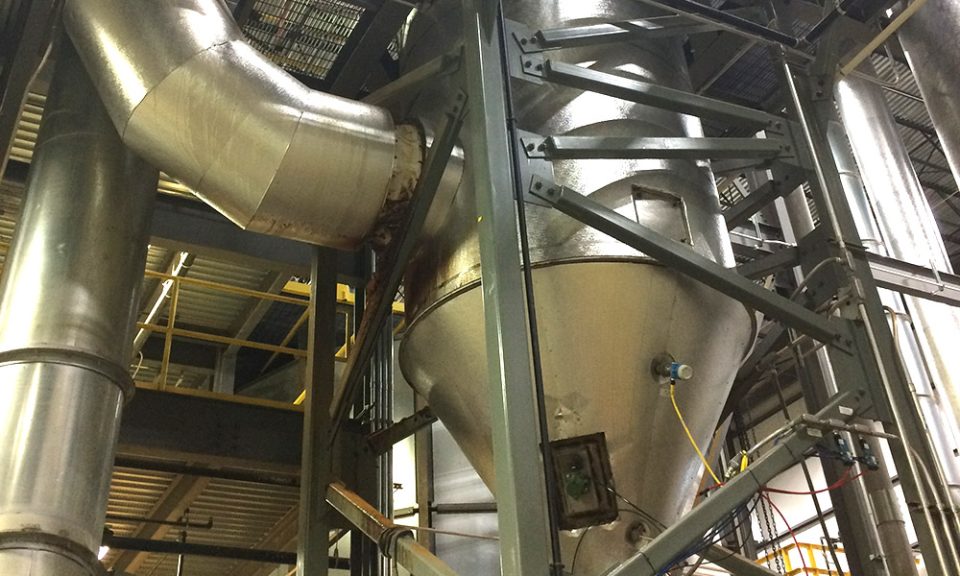
Industrial processing relies heavily on efficient material handling systems that maintain consistent flow while preventing air leakage. A rotary airlock valve serves as a crucial component in pneumatic conveying systems, managing material flow and maintaining pressure differentials effectively across various industrial applications.
These mechanical devices operate through a precision-engineered rotor design that enables smooth material transfer while maintaining system pressure. The rotor consists of multiple blades or vanes that rotate within a housing, creating sealed compartments that move materials downward while preventing air or gas from flowing upward through the system.
Key performance aspects of valve operation
-
Material handling efficiency
The systematic rotation of the valve ensures consistent material flow, preventing bridging or clogging issues that could disrupt production processes. Each compartment fills and empties in a coordinated sequence, maintaining optimal throughput rates while preserving system pressure integrity.
-
Pressure maintenance capabilities
Industrial systems require stable pressure conditions to function properly. The rotating mechanism creates an effective seal between the inlet and outlet ports, preventing unwanted air leakage that could compromise system efficiency or cause contamination issues.
-
Durability factors and maintenance requirements
Construction quality impacts performance significantly in these mechanical systems. Premium-grade steel components, precision machining, and proper clearances between rotating and stationary parts ensure reliable operation even under demanding conditions.
Operating environment considerations
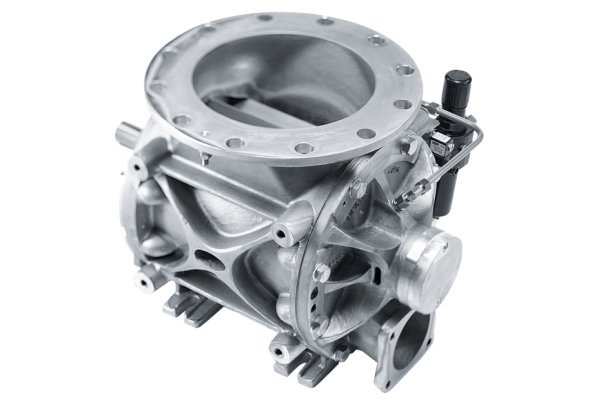
-
Temperature variations
These valves demonstrate remarkable resilience across diverse temperature ranges, accommodating both heated and cooled process materials without compromising performance. The materials used in construction maintain their structural integrity and dimensional stability despite thermal fluctuations.
-
Material characteristics
Different industrial applications handle various materials with distinct properties. The rotary valve airlock design maintains consistent flow characteristics while preventing material degradation during transfer, regardless of the material type.
Longevity expectations and influencing factors
With proper maintenance and operating conditions, these mechanical systems typically provide many years of reliable service. Several factors influence their operational lifespan:
-
Operating conditions
The nature of processed materials, operating temperatures, and pressure differentials all impact component wear rates. Systems handling abrasive materials may require more frequent maintenance or component replacement compared to those processing softer materials.
-
Maintenance practices
Regular inspection schedules, timely replacement of wear components, and proper lubrication significantly extend operational life. Implementing preventive maintenance programs helps identify potential issues before they develop into serious problems that could affect system performance.
Performance optimization strategies
-
Proper installation
Correct alignment and mounting procedures ensure optimal operation from the start. Professional installation helps prevent premature wear and maintains proper clearances between components, contributing to extended service life.
-
Regular monitoring
Implementing routine inspection protocols helps maintain peak performance levels. Monitoring key parameters such as rotation speed, pressure differentials, and power consumption provides valuable insights into system health and helps identify maintenance needs early.
Operational best practices
-
Speed control
Maintaining appropriate rotation speeds optimizes material handling efficiency while minimizing component wear. Variable frequency drives enable precise speed adjustments to match specific material characteristics and flow requirements.
-
Clearance management
Proper clearances between rotating and stationary components prevent excessive wear while maintaining effective seals. Regular inspection and adjustment of these clearances ensure consistent performance and pressure maintenance capabilities.
Making informed decisions about system maintenance and upgrade schedules helps optimize both performance and longevity. Operational requirements and implementing appropriate maintenance strategies ensure these essential components continue providing reliable service throughout their expected lifespan.
