
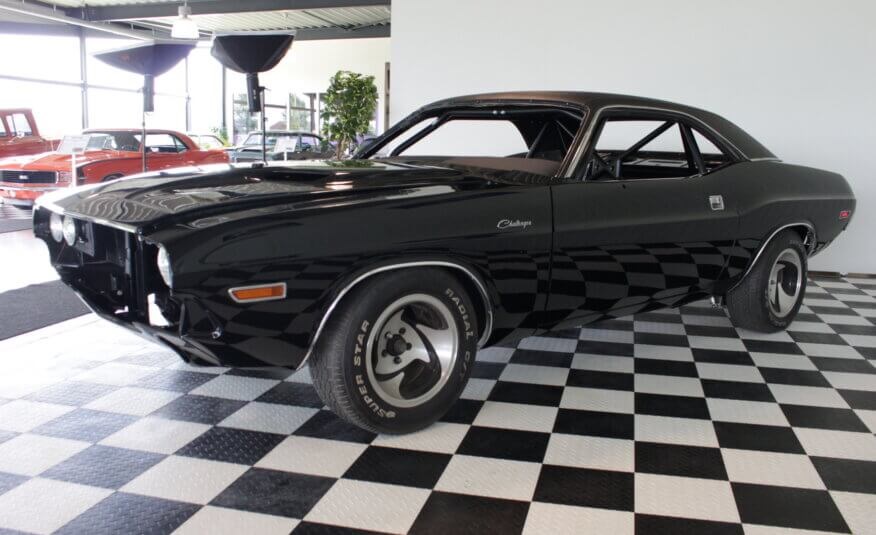
The 1970 Dodge Challenger is one of the most iconic muscle cars ever produced, combining power, style, and performance into a single, unforgettable package. Since its introduction in the late 1960s, the Challenger has remained a symbol of American automotive excellence. For car enthusiasts and restoration aficionados, the chance to own a 1970 Dodge Challenger, whether as a complete project or a meticulously restored gem, is a rare and exciting opportunity. This post explores why the 1970 Challenger is the perfect project car and why you should consider taking on the restoration journey.
The Appeal of the 1970 Dodge Challenger
The 1970 Challenger is a significant year for the Dodge muscle car lineup. It’s known for its aggressive styling, raw performance, and the choice of powerful engines that made it one of the top muscle cars of its era. While it shares its underpinnings with the Plymouth Barracuda, the Challenger was more distinctive, larger, and had a bold presence on the road.
From the moment you see the 1970 Challenger, it’s impossible not to be captivated by its muscular stance. The wide body, low profile, and long hood give it an intimidating presence, and its fastback roofline adds a touch of elegance. The car was designed with performance in mind, and it certainly didn’t disappoint. The Challenger was available in various configurations, including the R/T (Road/Track) model, which featured powerful engine options like the 440 Magnum V8 and the legendary 426 HEMI V8.
In 1970, Dodge introduced the Challenger to compete with other muscle cars like the Ford Mustang and Chevrolet Camaro. While the Mustang and Camaro offered sporty alternatives, the Challenger was in a league of its own, offering performance and luxury combined in a package that looked as good as it performed.
Why Choose a 1970 Dodge Challenger Project?
Restoring a 1970 Dodge Challenger is a thrilling experience for any classic car enthusiast, offering the chance to bring a piece of automotive history back to life. But why should you choose a Challenger as your next restoration project? Here are some compelling reasons:
1. Iconic Status
The 1970 Challenger is widely considered to be one of the most important muscle cars ever made. Its presence in American automotive history makes it a highly desirable project car. Whether you’re planning to keep the car for yourself or resell it after restoration, the 1970 Challenger will always hold its value and remain a highly sought-after classic.
2. Performance Potential
The restoration process allows you to customize and improve the car’s performance. Whether you want to stick to the original engine options or upgrade to something more modern, the possibilities are endless. The Challenger has ample room for engine swaps, suspension upgrades, and modern technology while retaining its classic look and feel.
3. Parts Availability
One of the challenges with restoring older cars is the availability of parts. However, when it comes to the 1970 Dodge Challenger, you’re in luck. Thanks to its iconic status, a wide range of aftermarket and reproduction parts are available, including body panels, interior components, suspension parts, and more. This makes restoring a 1970 Challenger much easier than working on less-popular classic cars.
4. Restoration Community
There’s a vast and passionate community of enthusiasts dedicated to restoring, preserving, and enjoying 1970 Dodge Challengers. Whether you’re a seasoned pro or a first-time restorer, this community can provide valuable advice, support, and resources to make your project a success. Forums, social media groups, and restoration clubs are great places to connect with like-minded individuals who share your love for classic cars.
5. Resale Value
Once your 1970 Challenger restoration is complete, the resale value can be impressive. The muscle car market is strong, and a well-restored 1970 Challenger is bound to attract attention from collectors and buyers looking for a classic American car. You can expect a good return on investment, especially if you’ve kept the car as close to its original specifications as possible.
The 1970 Dodge Challenger Project for Sale
This 1970 Dodge Challenger project for sale is a fantastic opportunity for anyone looking to dive into a restoration project or build a unique muscle car. Here are the key details of the car:
Body and Frame
The body of this 1970 Dodge Challenger is solid and in good condition. The frame is straight, with minimal rust, making it an ideal starting point for a full restoration. While some bodywork may be required to address the typical wear and tear associated with classic cars, the structure of the car is sound. For enthusiasts looking to build a car that will stand the test of time, this Challenger offers a strong foundation.
Engine and Transmission
Currently, the car is not running, but it comes with the original 318 V8 engine. The engine will require rebuilding or replacement, depending on the direction you want to take with your restoration. If you prefer to stay true to the car’s original configuration, rebuilding the 318 engine is a great option. However, if you’re looking for more performance, this is an excellent opportunity to swap in a more powerful engine, such as the 440 Magnum or the 426 HEMI.
The car is also equipped with the original 3-speed automatic transmission. Again, this can be rebuilt, replaced, or upgraded to a 4-speed manual transmission for a more spirited driving experience.
Interior
The interior of the 1970 Challenger is largely intact, but it will need some work. The seats, dashboard, and door panels are in need of restoration, and the upholstery will need to be replaced. However, the basic layout is still in place, offering a great base for your interior upgrades. The classic muscle car look with its simple yet elegant design is easy to recreate with modern materials while keeping the vintage feel.
Suspension and Brakes
The suspension system will require attention, as with any project car of this age. The Challenger’s original suspension can be rebuilt, or you can upgrade it with modern components for improved handling and ride quality. The same goes for the brakes, where you may choose to install upgraded disc brakes or keep the original drum brakes depending on your project’s vision.
Paint and Exterior
The paint on this 1970 Challenger has seen better days, with the classic finish showing signs of age and wear. The body will need to be stripped, prepped, and repainted. This gives you the freedom to choose your color and finish—whether you want to stick with the original shade or go for something custom. Classic muscle car colors like Plum Crazy Purple, Hemi Orange, or a sleek black finish are always popular choices.
The Restoration Journey
Restoring a 1970 Dodge Challenger is not just about fixing up a car—it’s about bringing a piece of automotive history back to life. The process can be both challenging and rewarding. Here’s a general overview of what you can expect during the restoration journey:
1. Disassembly and Inspection
The first step is to strip the car down to its bare frame, carefully removing the engine, transmission, suspension, and other components. During this process, you’ll assess the overall condition of the vehicle and identify any areas that require extensive repair or replacement.
2. Frame and Body Restoration
After disassembly, the next step is to restore the frame and body. This involves repairing rust, straightening out any dents, and replacing damaged panels. It’s a critical phase in the restoration process, as the foundation of the car needs to be solid before moving forward.
3. Engine and Transmission Rebuild
Depending on the state of the engine and transmission, you’ll either rebuild the original components or swap them out for new or upgraded parts. This is the time to choose whether you want to retain the classic 318 V8 or install a more powerful engine like the 440 Magnum or 426 HEMI.
4. Interior Overhaul
The interior is where you can really make the car your own. Whether you want to restore the interior to its original condition or go for a custom look, this is the part of the restoration where your personal style shines. Choose from a variety of upholstery options, dashboards, and gauges to make the car uniquely yours.
5. Final Assembly and Paint
Once the car is restored, it’s time to put everything back together, ensuring every bolt and part is properly secured. Afterward, you’ll paint the car and finish the exterior with trim, decals, and other details to give it that perfect, showroom-ready finish.
Conclusion
The 1970 Dodge Challenger is a true icon of American muscle cars, and restoring one is an exciting challenge for any car enthusiast. With its powerful performance, timeless style, and strong potential for customization, it’s a car that can be transformed into a masterpiece. If you’re looking for a restoration project that’s as rewarding as it is thrilling, this 1970 Dodge Challenger project for sale is an opportunity you won’t want to miss.
With a solid body, potential for a powerful engine swap, and the availability of aftermarket parts, this Challenger is ready to be brought back to life and become the centerpiece of any collection. Whether you’re a seasoned pro or a first-time restorer, this project car offers everything you need to create your dream muscle car.
